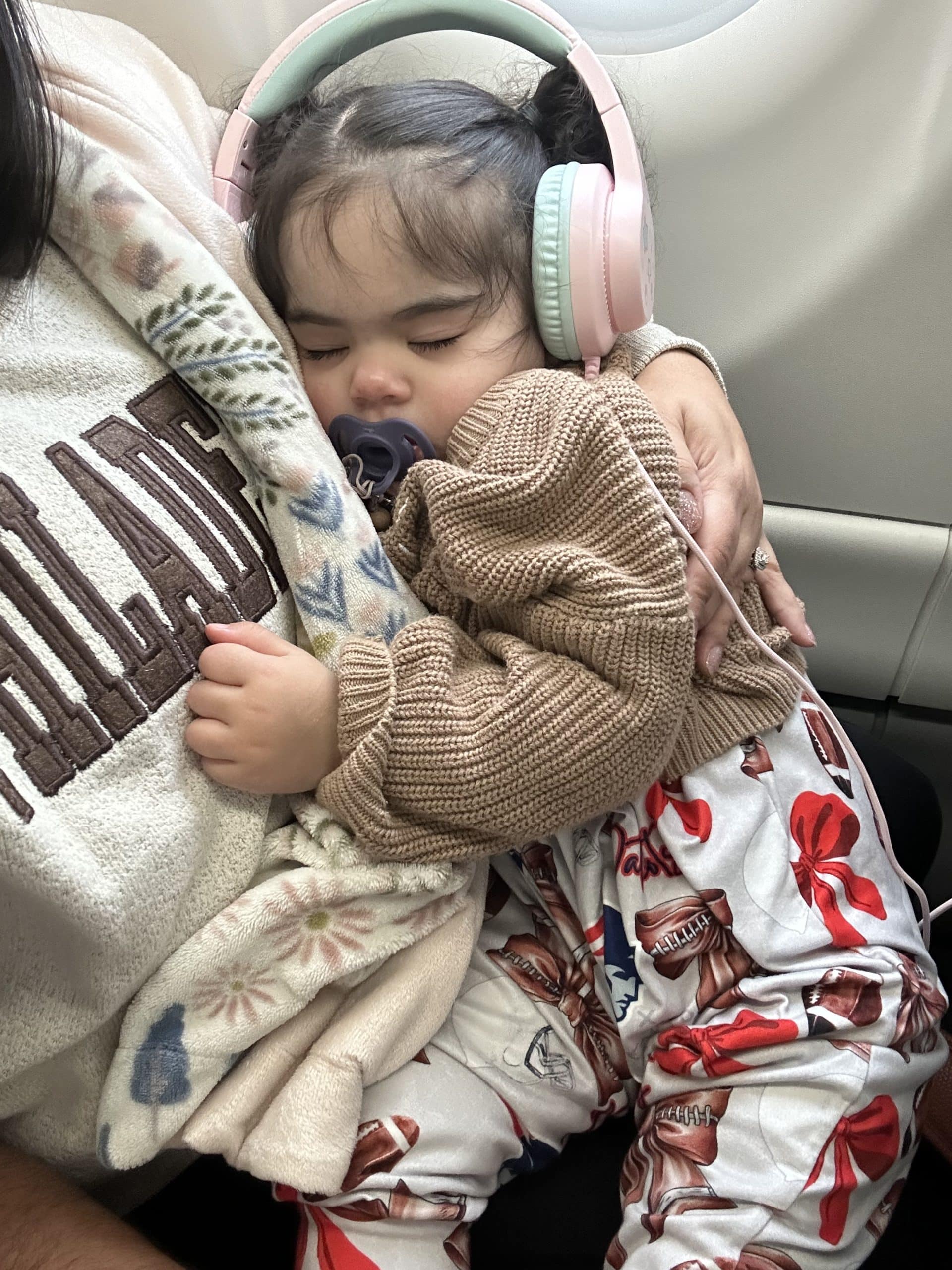
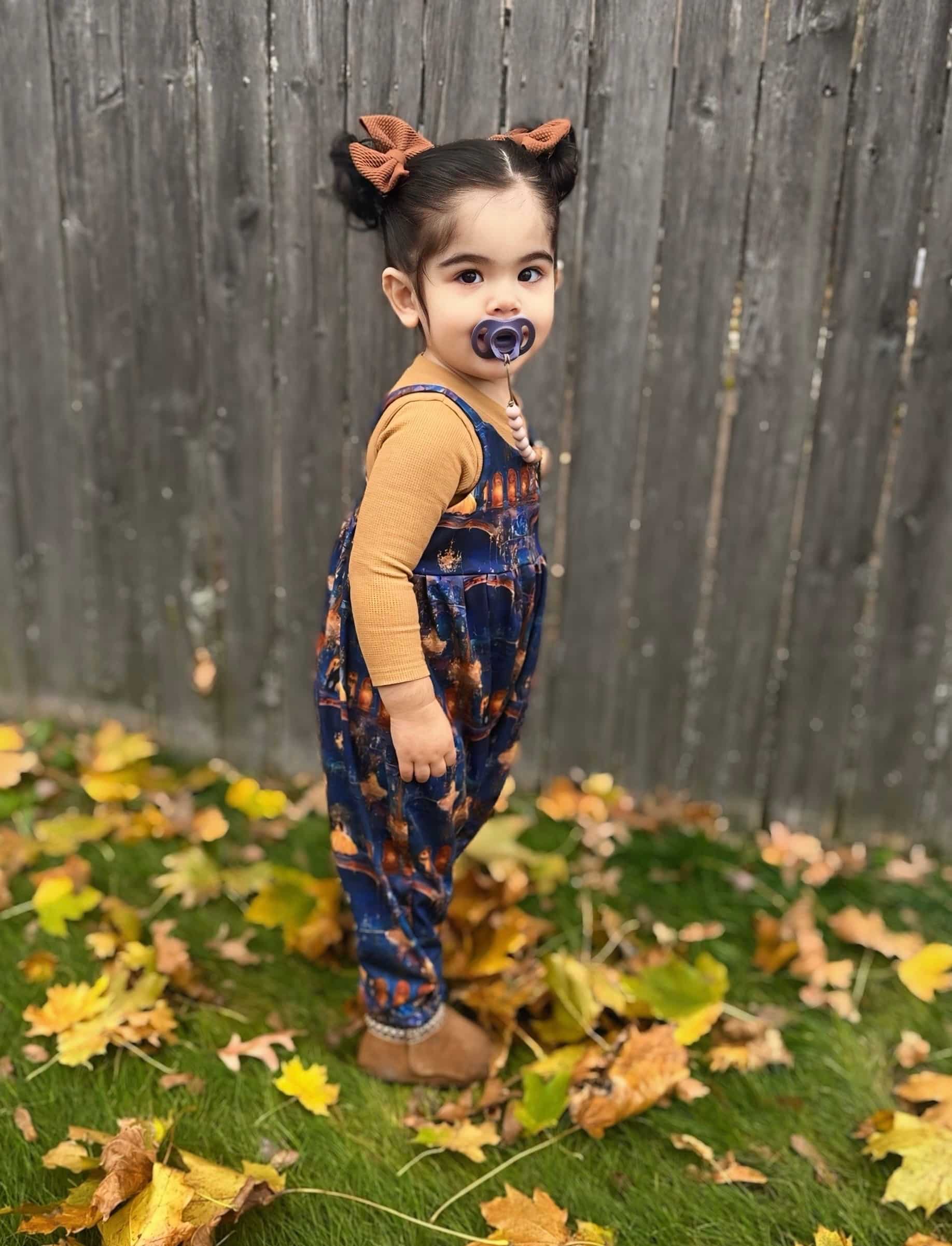
Olivia was born a seemingly healthy 9 lb 3 oz baby. At just two weeks old, her parents brought her to the pediatrician for what they believed might be acid reflux or a possible laryngeal cleft, a condition her older sister has. They were advised to thicken her formula with rice cereal and switch to a sensitive formula. With those changes, Olivia appeared to thrive for several months. She gained weight and met early milestones.
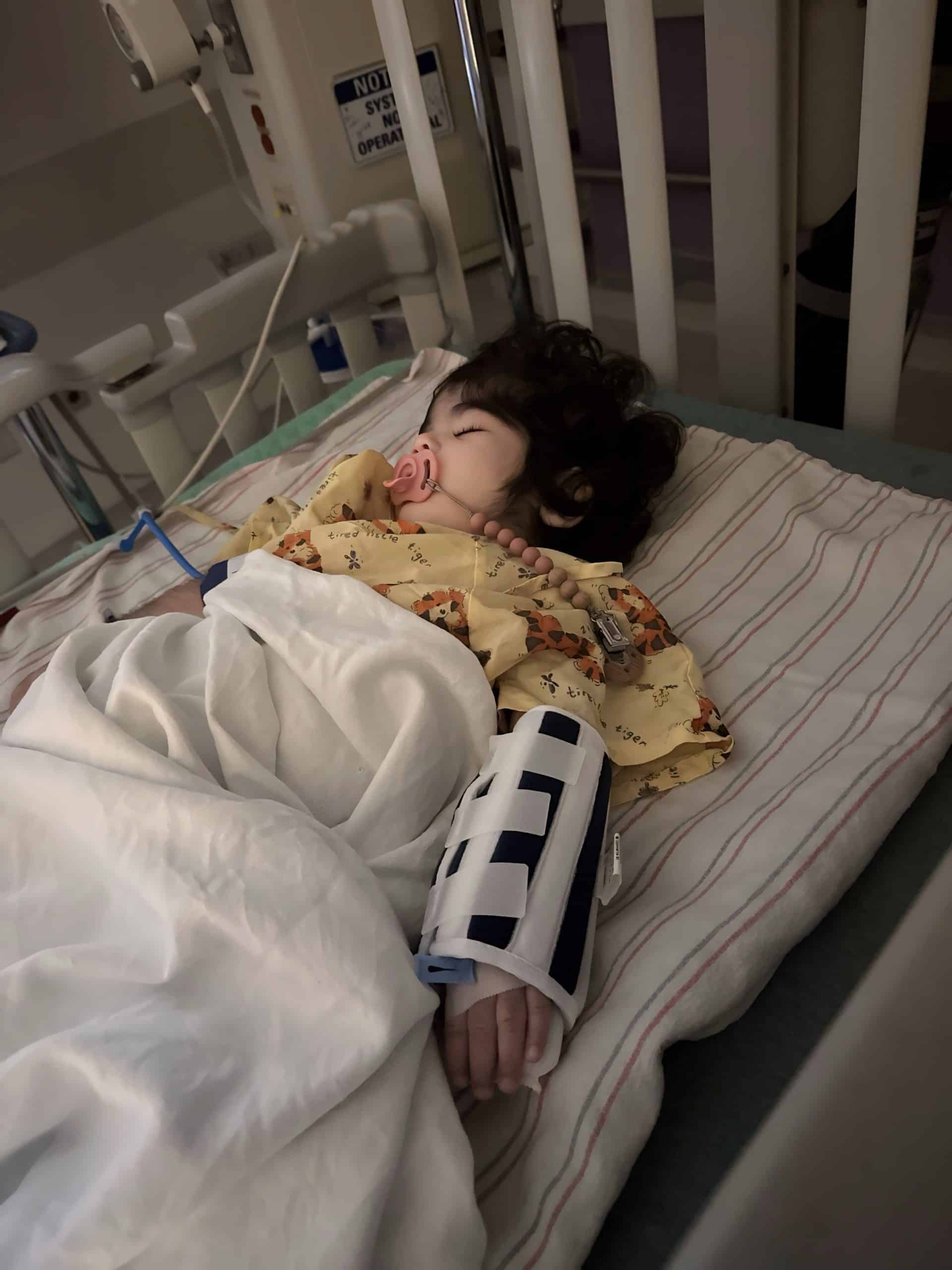
Everything changed on July 20, when Olivia suddenly stopped eating. An X-ray revealed constipation, which was treated, but her feeding difficulties continued. Knowing that laryngeal clefts can be hereditary, Olivia was admitted to the hospital for further evaluation. During that stay, an NG tube was placed. For her parents, the experience was emotionally overwhelming, especially after having gone through similar challenges with their older daughter, who ultimately required a G-tube.
After discharge, Olivia was taking half of her feeds by bottle and half through the NG tube. On August 14, her family experienced a medical emergency that would change everything. While being prepared for a bath, Olivia became limp, drenched in sweat, and unresponsive. Her parents immediately called 911, and she was transferred from their local hospital to Boston Children’s Hospital.
Doctors initially suspected a seizure, particularly because Olivia’s older sister experiences silent seizures. Olivia underwent an EEG and continuous monitoring. When her heart rate suddenly spiked into the 200s, additional testing was performed. An EKG showed no abnormalities, and the EEG did not indicate seizure activity. When her blood sugar was finally checked, it measured just 26.
Olivia remained hospitalized for another week. She was discharged with a continuous glucose monitor, glucose gel, and glucagon, but without clear answers. Her medical team explained that critical blood samples would be needed during a hypoglycemic episode to determine the underlying cause.
On August 23, Olivia suffered two severe hypoglycemic emergencies in a single day. During the second event, she was rushed by ambulance to Boston Children’s Hospital as her blood sugar continued to fall despite IV dextrose. A medical flight was nearly called. Upon arrival, her blood sugar was only 23. Critical labs were obtained the following day, leading to a diagnosis of congenital hyperinsulinism.
Congenital hyperinsulinism is a rare condition in which the pancreas produces excessive insulin, causing dangerous and persistent low blood sugar. According to the National Institutes of Health and the Children’s Hospital of Philadelphia, it is the leading cause of persistent hypoglycemia in infants and young children and may be genetic or occur sporadically.
In Olivia’s case, her care team does not yet know why she developed the condition. Early on, the rice cereal used to thicken her feeds had unintentionally helped stabilize her blood sugar levels. Once the NG tube was placed and rice cereal was no longer consistently part of her nutrition, her blood sugar levels began to drop. Olivia was started on diazoxide, a medication that has been life-saving. While her blood sugar levels can run high, they no longer fall below 70.
Further genetic testing was completed for Olivia and her family, revealing no clear inherited cause. Her pediatrician shared that in decades of practice, Olivia is only his second patient diagnosed with congenital hyperinsulinism, and both patients were girls.
On December 1, after several days without her NG tube, Olivia again stopped taking bottles and refused her medication. Her blood sugar levels dropped dangerously low, leading to another hospital admission. Multiple attempts to place a new NG tube were unsuccessful due to the shape and narrowness of her nasal passages. Eventually, the tube was placed on the right side, where it has remained for several months.